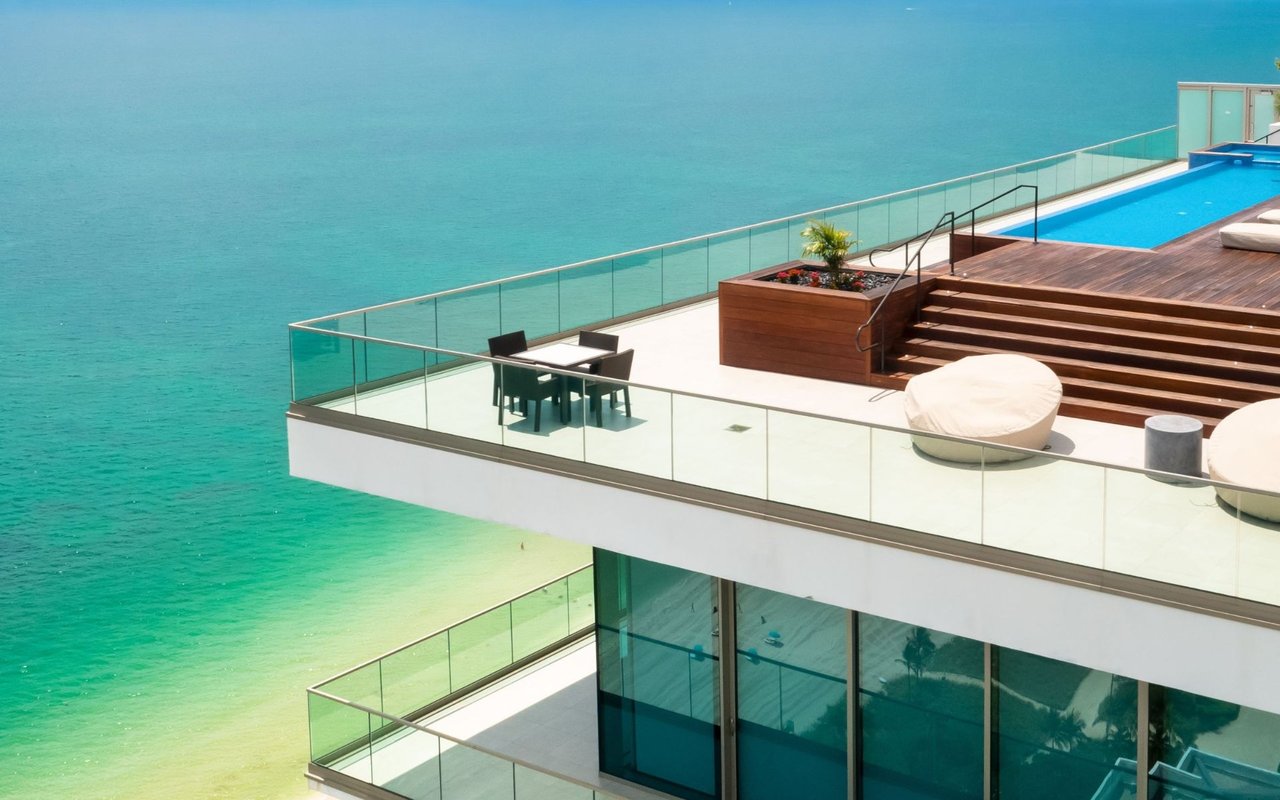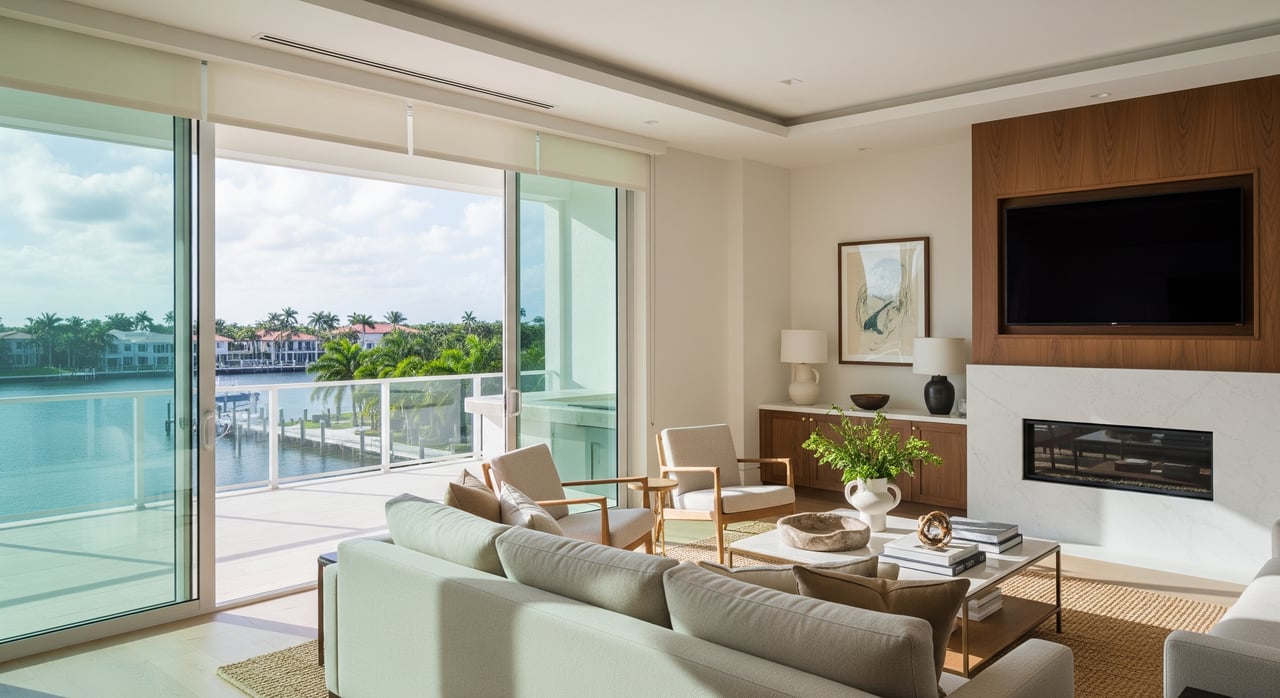
Thinking about buying an in-town condo near Worth Avenue and making it your own? In Palm Beach, the path from vision to finished renovation runs through rules, permits, and the calendar. A little planning now can save months later and protect your investment. In this guide, you’ll learn how association approvals work, when building permits are required, why impact windows matter, and how to choose the right season to start. Let’s dive in.
Know the rules before you demo
Two approvals you need
In Palm Beach, most condo renovations require two green lights: association approval and municipal permits. Your association’s governing documents control alterations that affect common elements or the building’s appearance. At the same time, the Florida Building Code sets standards for structural, electrical, plumbing, and life-safety work. The Town of Palm Beach or Palm Beach County issues permits and inspects the work depending on your building’s location.
Even if a project looks simple, you should plan on both reviews. Replacing windows, altering walls, updating HVAC, and any work that touches shared systems or the exterior typically triggers both association review and permits.
Work that usually needs a permit
Expect permitting for:
- Structural changes, including removing or altering walls.
- Window and exterior door replacement, especially if size or type changes.
- Balcony repairs, tile work affecting waterproofing, and related structural items.
- Plumbing, electrical, or HVAC upgrades beyond minor repairs.
- Any penetrations through slabs or changes to fire-protection systems that connect to common elements.
Rules vary by building and by municipality. Always verify requirements with your association and the local building department before you start.
Association oversight in Worth Avenue buildings
For in-town condominiums, an Architectural Review Committee or the board will usually review your plans. You should be ready to submit drawings, product specifications, contractor information, proof of insurance, and proposed dates. Many buildings require engineering or architectural stamps for structural or glazing work.
Reviews often run 30 to 60 days, but timing depends on meeting schedules and the scope of work. Boards may set conditions such as weekday construction hours, approved contractors, protective coverings in common areas, and specific products for windows and doors to keep the exterior uniform. Plan on refundable deposits for possible damage, plus administrative fees. Boards can fine owners or order stop-work for unapproved projects, so get everything in writing before you begin.
Impact windows and exterior changes
Wind zones near the coast
Along the Worth Avenue corridor and nearby coastline, wind and debris standards are a big factor. Replacement windows and exterior doors often must be impact rated or paired with approved shutters to satisfy Florida Building Code windborne debris requirements. Product approvals are commonly required, and your contractor will need to supply documentation with the permit and association package.
Matching the façade
Even if impact glazing is required by code, your association will likely require a like-for-like appearance for the exterior. Many buildings maintain approved window profiles, tint levels, and frame colors to preserve a consistent façade. Do not order or install products before the board confirms that your selection meets the building’s architectural guidelines.
Smart sequencing for glazing
Impact products are made to order and can carry long lead times, especially before or after major storms. Build time into your plan to select an approved product, submit documentation early, and coordinate delivery with elevator reservations and staging space. If you can, schedule window work outside the heart of hurricane season to reduce weather risks and scheduling conflicts.
Timing your renovation
Seasonal patterns in 33480
Palm Beach high season typically runs from November through April. Buildings are fuller, property managers are busier, and construction can face more scrutiny. During these months, you’ll see tighter controls on noise and deliveries.
Hurricane season runs from June 1 through November 30. That timing affects how you plan for impact glazing, product lead times, and inspections. Storm response can delay municipal schedules, and demand for windows and shutters spikes around weather events.
Expected review and permit timelines
- Association approvals: Plan for several weeks to a few months based on board schedules and the complexity of your project.
- Permitting and inspections: Simple interior permits can be issued in days to weeks. Glazing, structural, or HVAC work often takes several weeks, especially when documentation for impact products is required.
- Contractor lead times: Experienced contractors book out, particularly before hurricane season and during high season. For larger projects, engage your contractor months in advance.
When to schedule major work
For minimal friction, aim for late winter into spring for interior work, then late spring to early summer for glazing if products are ready. Avoid starting major window or balcony work in the heart of high season or the peak of hurricane season. Always build contingency time for permit revisions, association conditions, and weather.
Building logistics you should plan
Elevators, access, and deposits
Most in-town buildings require you to reserve a service elevator for deliveries and demolition. Expect protective padding, floor protection, and strict time windows for contractors. Buildings often charge reservation fees and hold refundable deposits for potential damage. Some will assign an elevator operator during heavy moves.
Common area protection and debris
Plan for hallway protection, scheduled debris removal, and designated routes that avoid the lobby. Many buildings restrict or prohibit construction debris in trash chutes. Coordinate where materials can be staged, how debris leaves the property, and where contractors can park or load.
Insurance and contractor requirements
Associations usually require certificates of insurance naming the association as additional insured. Minimum general liability and worker’s compensation coverage are common. Contractors must be properly licensed, and many buildings require background checks or badges. Confirm requirements with management before you finalize your contractor agreement.
Pre-purchase due diligence checklist
If you’re buying with renovation in mind, verify feasibility before you commit. Use this quick list:
- Obtain the Declaration, Bylaws, Rules and Regulations, and any Architectural Guidelines. Focus on alteration sections and window policies.
- Review recent board meeting minutes for approval trends, enforcement, and planned building projects that could conflict with your timing.
- Request an estoppel that addresses pending violations, required approvals, special assessments, and outstanding applications.
- Ask the seller for prior modification approvals and documentation for any existing windows or doors, including product approvals.
- Speak with building management or the board chair to confirm likely timelines, fees, and conditions for your scope.
- Consult a local architect or engineer familiar with Palm Beach code and coastal glazing to pre-validate your plan.
- Get at least two contractor bids, confirm licensure and insurance, and ask about lead times for approved impact products.
- Map your schedule to avoid high season and the middle of hurricane season where possible.
Renovation kickoff checklist
Once you are under contract or closed, align your team and the building:
- Request the building’s construction packet and application forms, including insurance requirements and elevator rules.
- Prepare and submit the ARC or board application with plans, product specs, contractor info, insurance certificates, and a proposed schedule.
- Confirm who pulls permits and ensure all code documentation is ready for glazing, structural, or mechanical work.
- Reserve service elevators, loading areas, and parking in writing. Coordinate delivery windows with management.
- Define staging areas inside the unit and the path of travel through common areas with protective coverings.
- Set a debris plan that meets building rules. Schedule removal in sealed containers if required.
- Calendar inspections and association walkthroughs. Keep records to expedite deposit releases at closeout.
Risk management
- Association limits: Boards can deny exterior changes or require specific products that affect cost and timeline.
- Long lead times: Impact-rated glazing and top contractors book out, especially around storm season.
- Project conflicts: Building capital work like roofing or painting can overlap with your schedule.
- Streetscape or preservation rules: Highly visible buildings near Worth Avenue often have strict façade standards.
- Insurance gaps: Unlicensed or underinsured contractors can expose you to liability. Verify coverage early.
How we help
A successful in-town renovation starts with the right acquisition plan and a realistic timeline. You get better outcomes when your search, offer strategy, and renovation goals work together. Our team brings island-first perspective and disciplined, finance-rooted guidance so you can buy confidently and plan a clear renovation path in 33480.
If you’re weighing a value-add condo near Worth Avenue, we can help you pressure-test feasibility, understand association expectations, and align your timing with the season. For a private conversation about your goals, reach out to Jacqueline & Adam Zimmerman.
FAQs
Do I need association and permit approval to renovate a Palm Beach in-town condo?
- Yes, most projects require association approval and may require municipal permits, especially for windows, structural work, and any tie-ins to building systems.
Are impact windows required for Worth Avenue area condos in 33480?
- Often yes, due to coastal wind and debris standards under Florida’s building code; your association may also require specific approved products and appearances.
When is the best time of year to replace windows in Palm Beach 33480?
- Aim for late spring or early summer once products are approved and ready, avoiding high season and the peak months of hurricane season when possible.
How long do condo board and municipal approvals usually take in Palm Beach?
- Association reviews commonly take several weeks to a few months, and permits can take days to several weeks depending on scope and documentation.
Can I use any contractor for my Palm Beach condo renovation?
- No, most associations require licensed, insured contractors and may impose additional rules such as badges, sign-ins, and minimum coverage limits.
Will a condo renovation increase my Palm Beach County property taxes?
- Potentially, significant improvements can affect assessed value; confirm how your planned work is treated before you finalize your budget.